Off the Main Drag: A Street-by-Street Look at Where Real Everyday Life Plays Out in Mahony
Every city has a version of itself that exists for visitors and a version that exists for residents. In Mahony, the gap between those two versions is wider than you might expect. The tourist-facing parts of the city are genuinely good — worth your time, no argument there. But the blocks that run parallel to the main streets, the neighborhoods that don't have a catchy nickname yet, the corners where construction workers eat lunch and retirees play cards in the afternoon shade — that's where you start to understand what Mahony actually is.
This isn't about finding hidden gems in the Instagram sense. It's about understanding the texture of the place. The way a neighborhood sounds at 7 a.m. versus 7 p.m. The kind of conversations that happen on a particular block. The small, unglamorous details that add up to a real sense of a city. Here's a street-level breakdown of where to look and what to pay attention to.
The Dockside Fringe: Industrial Edges with a Lunch Counter Soul
The blocks just east of Mahony's waterfront district don't show up in most travel guides because they're not particularly pretty. There are loading docks, fleet vehicle parking lots, a couple of warehouses that have been converted to light industrial use. But tucked into this zone are some of the most honest lunch spots in the city.
The clientele at these places — the counter-service spots with laminated menus and rotating daily specials — is almost entirely working people. Delivery drivers. Tradespeople grabbing a hot meal between jobs. Office workers from nearby logistics firms who've been eating here for years. Nobody's on their phone taking pictures. The food is fast, filling, and priced for people who eat lunch here every single workday.
For visitors, these spots offer something beyond a cheap meal: a chance to eat alongside Mahony residents who have no particular interest in the tourism economy. The conversations you'll overhear are about local politics, sports, work complaints, weekend plans. It's the city talking to itself, and it's worth listening to.
Best time to show up: 11:45 a.m. to 12:30 p.m. on a weekday. Get there early because the best specials go fast and the counter fills up quickly.
The Residential Grid East of the Arts District
Mahony's arts district gets plenty of attention — and fair enough, it's earned it. But the residential blocks that sit just to the east of it are where a lot of the artists, musicians, and creative-adjacent people actually live. The studios and galleries might be in the district, but the lives happen here, on the quieter streets with the slightly older apartment buildings and the small front gardens.
Walking these blocks on a weekend morning gives you a specific kind of Mahony experience. People are out, but not performing. Someone's doing yard work. A group of neighbors has set up chairs on a stoop and is having a conversation that started inside and migrated out. A kid is drawing on the sidewalk with chalk. It's the kind of scene that feels almost aggressively ordinary until you realize that ordinary is exactly what you came here to find.
The coffee shop on the corner of this area — you'll find it by the hand-lettered sign and the line of people who look like they just woke up — is the neighborhood's social hub. It doesn't have a roaster's backstory on the wall or a menu with seventeen milk options. It has good coffee, a few pastries, and regulars who've been coming in long enough to have a usual order. Grab a seat by the window if you can.
The Northern Residential Stretch: Where Families Run the Show
The northern part of Mahony's residential grid is family territory in a way that the hipper neighborhoods aren't. The streets are wider. There are more trees. The weekend rhythm here is organized around kids' activities, grocery runs, and the kind of slow-moving Saturday morning that feels like it belongs to a different era.
The people-watching here is different from what you get downtown. You're not watching a parade of interesting strangers — you're watching a community that knows itself. The same people at the same park every Saturday. The same families at the same diner for Sunday breakfast, sitting in the same booth they've been sitting in for years. There's a warmth to it that's hard to manufacture and impossible to fake.
For visitors, the northern stretch is best experienced on foot or by bike. The streets are navigable, the pace is comfortable, and nobody's in a hurry. Stop at the weekend market if it's running — it's smaller and less curated than the main farmers' market downtown, which means it's also more local and, honestly, more interesting.
The Flat Quarter: Mahony's Workaday Middle Ground
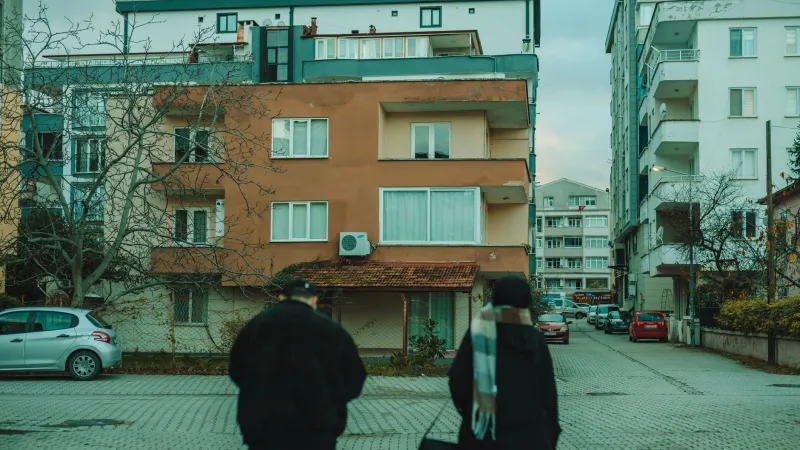
Nobody calls it this officially, but locals sometimes refer to the flat, grid-heavy central residential zone as the Flat Quarter — a reference to the straightforward, no-frills street layout that makes it easy to navigate and almost invisible to visitors who are looking for something more distinctive.
This is a mistake. The Flat Quarter is where Mahony's working middle class lives, and the commercial strips that serve it are a direct reflection of that. There are family-owned hardware stores, bakeries that open at 5 a.m. for the early shift crowd, barbershops where the conversation is as important as the haircut, and small groceries that stock things you won't find at the downtown specialty food shops.
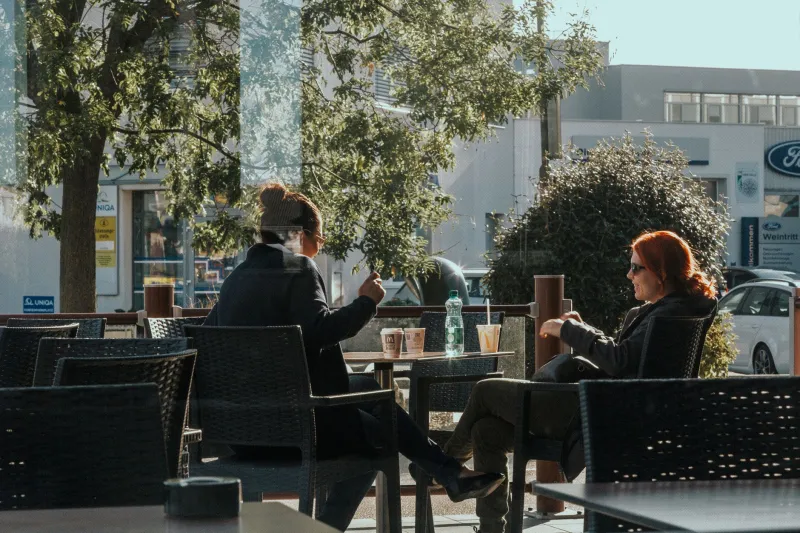
The best street corner for people-watching in this zone is at the intersection near the bus depot — a transit hub that pulls in a genuinely cross-section of the city. Sit at the small café across the street with a coffee and you'll watch more of Mahony walk past in an hour than you'd see in a full day of doing the tourist circuit.
How to Use This Guide Without Being Weird About It
The biggest mistake visitors make when trying to explore residential neighborhoods is treating the experience like a performance. You're not a documentary filmmaker. You're not an anthropologist. You're just a person walking around a city, which is a completely normal thing to do.
Don't photograph people without permission. Don't walk slowly through someone's front yard because the garden is interesting. Don't stand in the middle of a sidewalk staring at your phone trying to figure out which way to go. Move like you have somewhere to be, even if you don't.
The payoff for doing this right is significant. You'll leave Mahony with a sense of the city that goes beyond the standard visitor experience — a feeling that you've actually been somewhere, not just passed through it. That's the whole point, really. The side streets are where Mahony keeps the good stuff.