Every Block Has a Beat: Navigating Mahony Through Sound
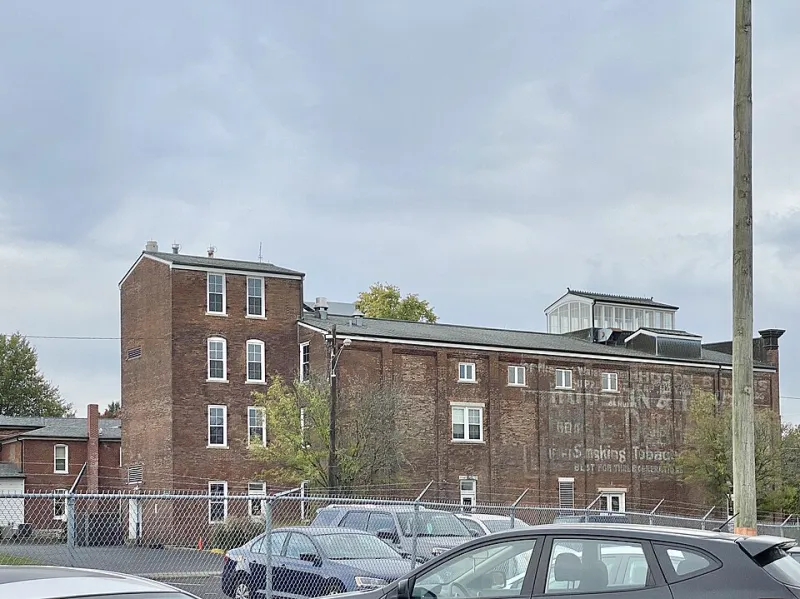
Photo: Lukasz Kobus, European Commission, CC BY 4.0, via Wikimedia Commons
Most travel guides hand you a map. We're handing you a pair of headphones — metaphorically speaking. Because one of the most underrated ways to understand Mahony is to stop looking around for a second and just listen.
The city has always been shaped by its sounds. Long before the coffee shops and the gallery openings, before the weekend markets and the food halls, Mahony was a working city with a working city's soundtrack: crane cables, ferry horns, the clatter of industry. Those sounds haven't disappeared — they've just been joined by a whole lot of new ones. And the way those layers stack up, neighborhood by neighborhood, tells you more about this place than any brochure ever could.
The Waterfront District: Steel, Steam, and Something Like Soul
Start at the water. The industrial waterfront — still gritty in the best possible way — has always attracted musicians who want to feel something raw. The architecture helps. Wide-open warehouse spaces and loading docks with ceilings high enough to swallow an echo have made this stretch of Mahony a natural home for experimental music, noise rock, and the kind of jazz that doesn't care much about being polite.
The venues here don't advertise much. You find them through word of mouth or by following the sound of a bass line bleeding through a corrugated metal wall on a Thursday night. The community is fiercely proud of that. There's a sense that the music belongs to the neighborhood first and visitors second — which, honestly, makes it more worth seeking out.
Architecturally, the reverb is part of the experience. Concrete floors, exposed brick, and minimal acoustic treatment mean that sound bounces differently here than anywhere else in Mahony. Local musicians will tell you they write differently when they're rehearsing in waterfront spaces. The room changes the music.
The Residential Pockets: Porches, Practice Rooms, and Quiet Genius
Head inland and the volume drops, but the music doesn't stop. Mahony's older residential neighborhoods — the ones with the wide front porches and the century-old oak trees — have a quieter sonic culture that's just as rich.
Here, music is domestic. It leaks out of apartment windows on Sunday mornings. It comes from the teenager practicing guitar in the garage, from the couple who hosts a monthly folk session in their living room that's been going on for eleven years. The local music school on Aldermoor Street has been producing classical players, bluegrass pickers, and self-taught producers for decades, and you can hear that influence in how casually music is woven into daily life.
Walk these blocks on a warm evening and you'll catch fragments: a piano scale repeated and then corrected, someone running through a vocal warm-up, a record player audible from the sidewalk. It's ambient and unhurried, and it reflects the character of the people who live here — people who've been in Mahony long enough to have stopped needing to prove anything.
The Arts Corridor: Volume as Statement
If the waterfront is raw and the residential neighborhoods are intimate, the Arts Corridor is theatrical. This is the part of Mahony that wants to be heard. Murals cover every available surface, and the music matches the visual energy: louder, more declarative, more interested in what's happening right now than what happened fifty years ago.
Hip-hop has deep roots here. So does electronic music and the kind of genre-blending that doesn't have a clean name yet. Record shops that double as listening bars sit next to rehearsal studios. On weekend afternoons, it's not unusual to hear three completely different musical worlds colliding within half a block — a DJ set drifting out of one doorway, a brass band rehearsal from a second-floor window, someone beatboxing outside the coffee shop.
The sonic density is intentional. This neighborhood has always used sound as a way of claiming space, and that tradition continues. The music here isn't background. It's the whole point.
The University Quarter: Restless, Experimental, and Constantly Changing
Every college town has a music scene, but Mahony's university quarter has something that most don't: genuine institutional support for weirdness. The music department has long had a reputation for encouraging students to break things down and reassemble them, and that philosophy spills out into the bars and basement venues that surround the campus.
Expect to hear things you can't categorize. Student ensembles that mix classical training with electronic production. Bands that change their lineup and genre between shows. Open mic nights where the quality varies wildly but the ambition never does. It's occasionally chaotic, frequently brilliant, and always evolving — which makes it one of the most exciting sonic corners of the city, even if you have to sit through a few rough sets to find the good stuff.
How to Listen Like a Local
The residents who've lived in Mahony longest will tell you the same thing: the city reveals itself slowly, and sound is one of the first languages it teaches you. Here's how to start learning it.
Walk without a destination. The best sonic discoveries in Mahony happen when you're not looking for anything specific. Pick a neighborhood, leave the earbuds at the hotel, and just move through it at street level.
Go out on a weeknight. Weekend crowds bring their own noise. Tuesday and Wednesday evenings in the waterfront district and the Arts Corridor tend to surface the more local, less performative version of Mahony's music scene.
Ask at the record shops. The staff at Mahony's independent record stores — and there are several worth visiting — are genuinely enthusiastic about pointing you toward what's happening where. They know the neighborhoods the way music fans always do: intimately and with strong opinions.
Sit still somewhere. Pick a bench, a café window, a stoop if nobody minds. Give a neighborhood fifteen or twenty minutes of your full attention and let its sounds organize themselves around you. You'll start hearing the patterns — the rhythms that belong to that specific block, that specific time of day.
Mahony is a city that rewards people who pay attention. And once you start listening to it — really listening — you'll find it's been trying to tell you something all along.