No Sign, No Website, No Problem: Finding Mahony's Best Family-Run Restaurants

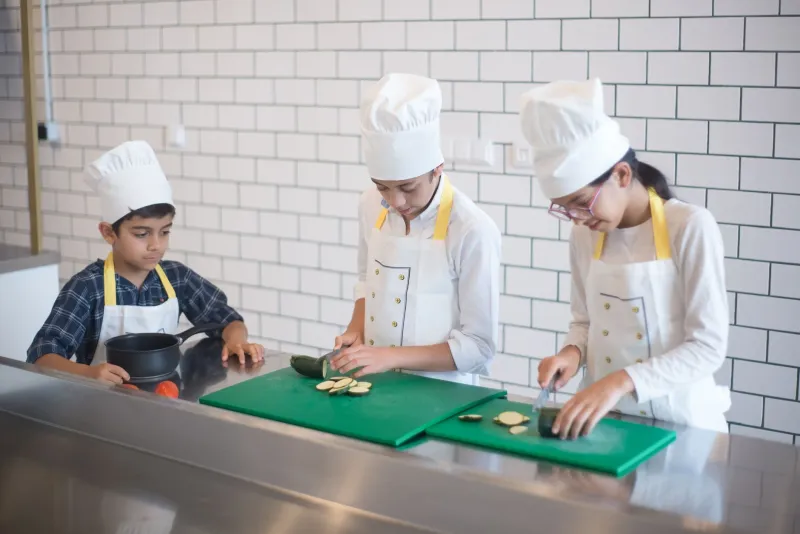
Photo by Photo by Sandra Seitamaa on Unsplash on Unsplash
You won't find these places on a map app. There's no hashtag campaign, no curated grid of food photos, no reservation portal. Some of them don't even have a sign above the door. And yet, on any given Friday night, every seat is full — because the people who know about them told the people who know about them, and the chain of trust runs deep.
Mahony has always had this. A thriving, largely invisible layer of food culture that operates on reputation alone, built by families who learned to cook from their parents and grandparents and have no particular interest in being discovered by the internet. Getting into this world as a visitor takes a little effort. But what you find on the other side is worth every bit of it.
The Economics of Word-of-Mouth
To understand why these places exist — and why they've survived — it helps to understand how they think about customers.
"We don't need strangers," says Dora Vásquez, whose family has been feeding the same Mahony neighborhood from the same kitchen for over thirty years. "We need people who come back. That's a different thing entirely."
Dora's place — known locally simply as Vásquez's, though there's no name on the door — seats fourteen people at two long tables. Dinner is served at 7:00 p.m., one seating, five nights a week. The menu changes based on what's available at the market. There is no printed card, no QR code, no Instagram announcement. You find out about it because someone who eats there regularly decides you're worth telling.
This model isn't unique to Vásquez's. Across Mahony, a network of similar operations runs on the same principles: exceptional food, deeply loyal customers, and a deliberate indifference to digital visibility.
What These Kitchens Are Actually Serving
The food at Mahony's word-of-mouth restaurants tends to be deeply personal in a way that even excellent restaurant cooking rarely is. These aren't chefs executing a concept — they're families cooking what they grew up eating, refined over decades.
At a supper club that operates out of a converted row house in the Delcourt neighborhood, the weekly menu leans heavily on the Balkan food traditions the hosting family brought with them two generations ago. The stuffed peppers have apparently not changed in forty years. Regulars consider this a feature, not a limitation.
Elsewhere, a semi-underground lunch spot in the market district specializes in the kind of long-simmered stews and hand-rolled pastries that take hours to prepare and minutes to disappear. The woman who runs it — she goes by Aunt Marta to virtually everyone — learned the recipes from her grandmother and has never written them down. "I know when it's right," she says, which is the kind of answer that makes you want to eat there immediately.
How to Actually Find These Places
This is the part most travel guides skip, because it requires work that can't be automated. But the process is genuinely enjoyable if you approach it with curiosity rather than urgency.
Start at the market. The vendors at Mahony's covered market are deeply embedded in the local food community. If you buy something, chat with the person selling it, and express genuine interest in local cooking, you will very likely get a recommendation that no algorithm would ever surface.
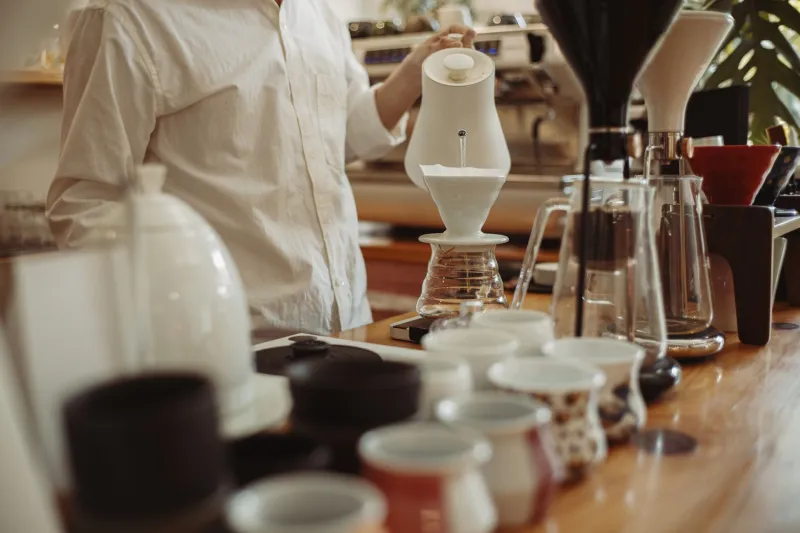
Talk to your coffee shop regulars. The kind of neighborhood café where people sit for an hour and know the barista by name is a clearinghouse for local knowledge. Ask where they eat. Ask where their friends eat. The question "Where would you take someone who wanted a real home-cooked meal?" tends to produce excellent answers.
Ask at independent bookstores and record shops. This sounds counterintuitive, but the staff at these places are usually deeply local, deeply opinionated, and extremely willing to talk. Food comes up constantly.
Follow the handwritten flyers. Some of Mahony's supper clubs do post announcements — just not online. Community boards at laundromats, the bulletin board inside the library entrance, and the wall near the back of certain hardware stores are worth scanning.
What to Expect When You Get There
The etiquette at these places is worth understanding before you show up. A few things that regulars know instinctively:
Don't photograph the food without asking. Some hosts genuinely don't mind. Others feel strongly that it changes the atmosphere. When in doubt, put the phone away.
Cash is almost always preferred and sometimes required. Come prepared.
Showing up is a commitment. These aren't restaurants where you can order half the menu and box the rest. You eat what's being served that night, in the spirit in which it's offered.
And finally: be a good guest. These families are inviting you into something that matters to them. Treating it like a bucket-list experience to be consumed and posted about is the fastest way to ensure the door doesn't open again — for you or for anyone else a local might have recommended.
The Bigger Picture
Mahony's underground food economy isn't a quirky travel footnote. It's a living record of the communities that built this city — their migrations, their traditions, their relationships with food as something more than fuel. Eating in these spaces is, in a real sense, an act of historical engagement.
And the food is extraordinary. That part matters too.