Stir, Chop, and Share: Where to Learn Real Mahony Cooking Without Blowing Your Budget
Some of the best souvenirs you can bring home from a trip have nothing to do with a gift shop. They're tucked away in your muscle memory — the way you now know how to properly deglaze a pan, or the exact moment you learned that Mahony's coastal herbs change everything about a simple broth. The city's food culture runs deep, and lucky for visitors, it's surprisingly easy to get your hands in it.
Mahony has quietly developed one of the most accessible cooking education scenes of any mid-sized American city. You don't need a culinary degree or a fat wallet to get in the door. What you do need is a little curiosity and a willingness to show up hungry.
The Community Kitchen Movement
At the heart of Mahony's grassroots culinary scene is a network of community kitchens that double as classroom spaces. These aren't sterile cooking lab setups with matching aprons and laminated recipe cards. They're real, working kitchens — the kind with scuffed countertops and well-seasoned cast iron — where locals have been gathering for years to cook together, trade techniques, and share meals.
The Mahony Community Kitchen Collective runs drop-in sessions most weekday evenings and Saturday mornings. Classes rotate based on the season and whoever's leading that week, which means you might walk into a lesson on curing fish one day and a deep dive into fermentation the next. Sessions typically run two to three hours and include a shared meal at the end. The cost? Usually somewhere between $15 and $30 per person, with sliding scale options available.
What makes these sessions genuinely special isn't just the price point — it's the mix of people in the room. You'll find yourself elbow-to-elbow with retirees who've been making the same coastal chowder for forty years, young locals experimenting with seasonal produce, and a handful of other travelers who stumbled in the same way you did. That cross-section of community is something no formal cooking school can manufacture.
Pop-Up Workshops Worth Tracking Down
Mahony's pop-up food culture is real and it moves fast. Local chefs, home cooks, and food educators regularly host short-run workshops out of restaurants, gallery spaces, and even private homes. These events tend to fill up quickly and don't always get a lot of advance publicity, so the trick is knowing where to look.
The Mahony Food Network (not to be confused with the cable channel) maintains a community calendar on their website and posts workshop announcements on their social channels. Checking in weekly is worth the habit. Past pop-ups have covered everything from hand-rolling pasta with a Mahony-born nonna to a two-hour crash course in smoking proteins using local wood varieties.
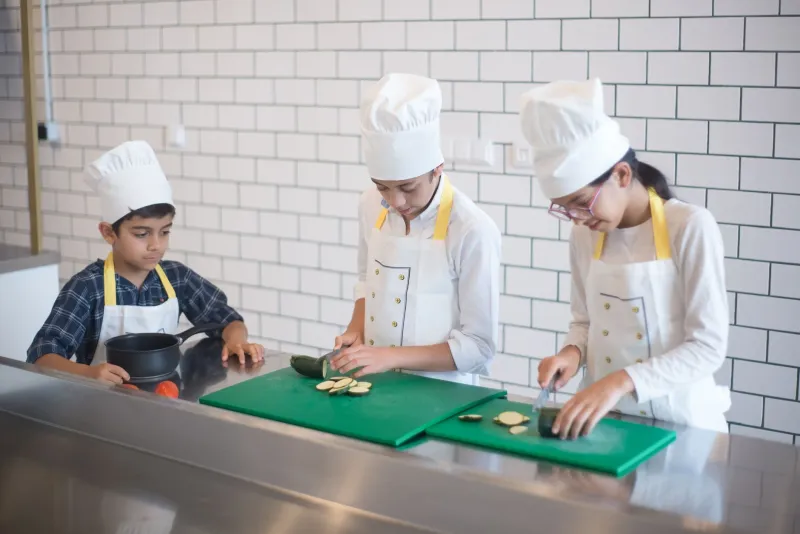
Several restaurants around the city also open their kitchens for one-off classes during slower service hours — typically Sunday afternoons or Tuesday mornings. These chef-led experiences are usually more structured and skill-focused, covering things like knife technique, sauce construction, or how to build a dish around whatever's at the farmers market that week. Expect to pay $40–$75 for these, which is still a fraction of what a formal culinary school charges for a single session.
Learning Directly from Mahony's Farmers
One of the most underrated cooking experiences in the city doesn't actually happen in a kitchen at all — at least not at first. Several of Mahony's small farms offer field-to-table workshops where you spend part of the morning harvesting, then move into a farmhouse kitchen to cook what you've just picked.
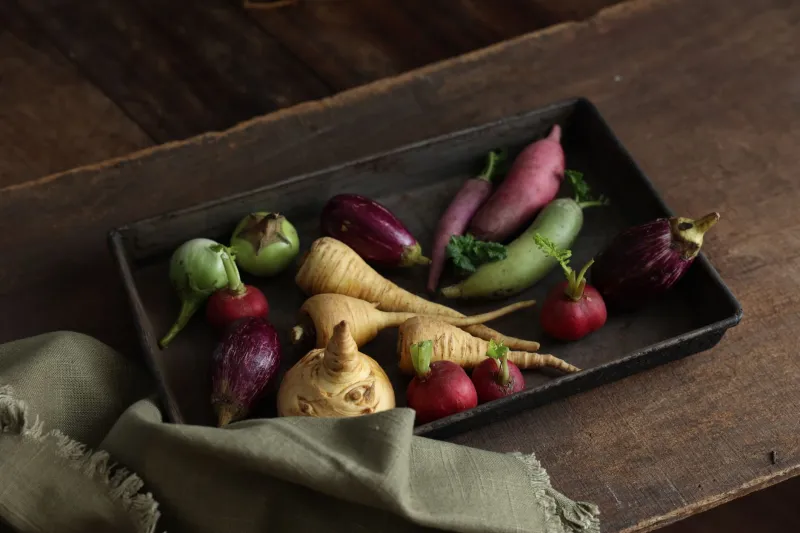
These experiences are especially rewarding for visitors who want to understand why Mahony's food tastes the way it does. The region's growing conditions produce ingredients with a character that's genuinely distinct — certain root vegetables with a sweetness you won't find in supermarket versions, herbs that carry the salinity of the nearby coast, stone fruits that ripen slowly and develop real complexity. Learning to cook with these ingredients, guided by the people who grow them, gives you a perspective that sticks with you long after you've gone home.
Farm workshops tend to be capped at small groups — sometimes as few as six people — so they feel intimate and unhurried. Booking ahead is essential. Check with the Mahony Visitor Center or the Saturday farmers market for current farm partnerships offering visitor experiences.
Formal Programs That Welcome Curious Outsiders
For visitors who want something a little more structured, Mahony does have a handful of formal culinary programs that open certain classes to the public. The culinary arts department at Mahony Community College runs a continuing education series throughout the year that's designed for enthusiastic home cooks rather than aspiring professionals. Courses range from single-session workshops to four-week evening series covering regional cuisine, baking fundamentals, and international techniques.
These classes are taught by working instructors and often incorporate guest appearances from local chefs. The community college setting keeps costs reasonable — most single sessions land under $60 — and the curriculum tends to be genuinely rigorous without being intimidating.
A few of Mahony's culinary-focused restaurants also run formal cooking school programs under their own brand. These are typically more polished experiences with professional equipment and a curated curriculum, aimed at visitors who want a premium version of the hands-on experience. If that's your speed, it's worth calling ahead to check availability and whether they accommodate out-of-towners for single sessions.
A Few Tips Before You Tie on an Apron
If you're planning to build cooking experiences into your Mahony trip, a little prep goes a long way.
Book early when you can. The most popular workshops — especially the farm-to-table sessions and chef-led restaurant classes — sell out well in advance, particularly on weekends between May and October.
Come with questions. Mahony's cooking instructors, whether they're professional chefs or home cooks sharing family recipes, genuinely love talking about the food culture here. Ask about regional ingredients, local sourcing, and the history behind specific dishes. You'll get more out of the experience.
Don't skip the meal. Almost every cooking class in Mahony ends with eating what you've made together. That communal table moment — sitting down with a group of strangers and sharing something you all just built from scratch — is honestly the whole point.
Check seasonal availability. Some workshops are tied directly to what's growing or running locally, which means they only happen during specific months. If there's a particular class or experience you have your eye on, confirm the schedule before you finalize your travel dates.
Mahony's food scene has always been something worth tasting. But learning to recreate even a piece of it in your own kitchen back home? That's a whole different level of connection to a place. And in this city, that kind of access is a lot closer — and a lot more affordable — than you might expect.