Forget the Big Museums — Mahony's Tiny Collections Are Where the Real Stories Live
There's a certain kind of traveler who dutifully lines up outside the big-name cultural institutions, shuffles through the permanent collection, buys a magnet in the gift shop, and calls it a day. And look, no judgment — those places exist for a reason. But if you want to understand what Mahony is actually made of, you need to go smaller. Much smaller.
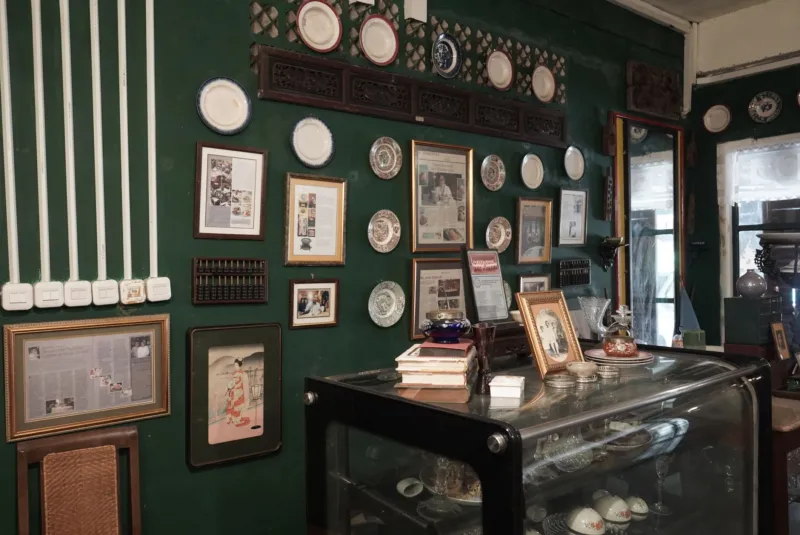
Mahony's independent and community-run museums don't have glossy brochures or audio tours narrated by celebrities. What they have is something harder to manufacture: genuine stakes. These are collections assembled by people who cared deeply enough to do something about it — neighbors, artists, historians who couldn't get anyone else to tell the story they knew needed telling. The result is a museum scene that feels less like a field trip and more like a conversation.
Here's where to find it.
The Printing House Museum: Ink, Paper, and the People Who Ran the Presses
Tucked into a narrow building on the eastern edge of the Garrow District, the Printing House Museum occupies the actual space where one of Mahony's oldest independent newspapers ran its operations for nearly six decades. The original letterpress equipment is still there — not behind glass, but close enough to touch if you ask nicely. And you should ask nicely, because the volunteer docents here are often the grandchildren of the people who ran those machines.
The museum traces how print culture shaped Mahony's political and social identity, from labor movement broadsheets in the early 20th century to the underground zine explosion of the 1980s. There's a rotating display of community-submitted ephemera — old menus, event flyers, handwritten letters — that changes every few months and gives the whole place a living, breathing quality that no permanent collection can replicate.
Plan to spend at least an hour. You'll probably stay longer.
The Coastal Trades Archive: A Love Letter to Forgotten Livelihoods
Mahony's relationship with the water is long and complicated, and the Coastal Trades Archive doesn't try to smooth that history out into something comfortable. Housed in a former chandlery near the old harbor, this volunteer-run space documents the working lives of the people who built the fishing, shipping, and boat-repair industries that once defined this part of the city.
The collection includes tools, photographs, oral history recordings, and an unexpectedly moving display of handwritten logbooks. What makes it special is the curatorial philosophy: rather than celebrating industry in the abstract, the archive centers the individual workers — their wages, their injuries, their unions, their daily routines. It's the kind of history that tends to get edited out of the official version.
Admission is pay-what-you-can, and all proceeds go directly toward digitizing the oral history collection. Worth every dollar.
The Apartment Gallery on Verano Street: Art That Lives Where People Live
Not every entry on this list is a museum in the traditional sense. The Apartment Gallery on Verano Street is exactly what it sounds like — a working apartment that its resident-curator opens to visitors on weekend afternoons, rotating a new exhibition every six weeks. The work shown here is almost exclusively by Mahony-based artists who are mid-career, underrepresented, or simply not yet connected to the commercial gallery circuit.
Showing up feels a little like crashing a very well-curated dinner party. You're invited to sit on the furniture, make yourself coffee, and actually talk to the artist if they happen to be around — which they often are. The lack of institutional distance between the viewer and the work is jarring at first, then completely addictive.
Check the gallery's social media before you go, since hours can shift and some exhibitions are appointment-only. The inconvenience is part of the charm.
The Neighborhood Heritage Room at the Calloway Branch Library
Technically part of the public library system, the Heritage Room at the Calloway Branch operates with the energy and independence of a community museum. The collection focuses specifically on the Calloway neighborhood's history from the mid-20th century through the present, with particular attention to the waves of immigration that shaped its demographics and culture.
What sets this space apart is its ongoing relationship with local residents. Families regularly donate photographs, documents, and objects, and the librarians who manage the collection are deeply embedded in the community they're documenting. You'll find display cases sitting next to folding tables where people are doing their homework or filling out job applications — which, honestly, feels exactly right.
The Heritage Room also hosts occasional panel discussions and oral history recording sessions that are open to the public. If your visit lines up with one of these events, don't skip it.
The Mahony Oddities Collective: Curiosity as a Curatorial Strategy
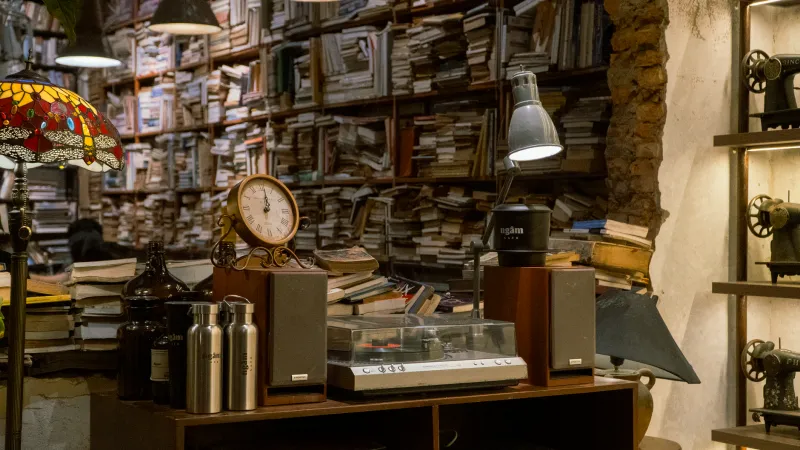
This one is harder to categorize, which is probably the point. The Mahony Oddities Collective started as a loose group of collectors who wanted a place to show things that didn't fit anywhere else — antique medical devices, taxidermy of questionable provenance, objects whose original purpose has been entirely lost to time. Over the years it's grown into something more intentional without losing its essential weirdness.
The current space, a former auto body shop in the Fenwick industrial corridor, hosts a permanent collection alongside guest exhibitions that lean into the strange and the speculative. Recent shows have explored the history of superstition in Mahony's fishing communities and a visual archive of storefronts that no longer exist. It's the kind of place that rewards slow, attentive looking.
Not for everyone. Absolutely for some people. You probably already know which category you're in.
A Few Things Worth Knowing Before You Go
Most of these spaces run on limited hours and volunteer labor, so checking ahead is less optional than it sounds. Many are closed on Mondays and Tuesdays, and a few require advance reservations for groups larger than four or five people.
Donations, even small ones, matter more here than at the big institutions. If a space has a mailing list or a membership program, signing up is an easy way to stay connected and support the work from home.
And if you find yourself in a conversation with a docent or a curator, lean into it. The best thing about Mahony's independent museum scene isn't the collections themselves — it's the people who built them and the reasons they felt compelled to do so. That's the part you can't find anywhere else.