Made by Hand, Made in Mahony: Your Guide to the Artisans Shaping the City's Creative Soul
Forget the fridge magnets. Forget the mass-produced keychains with "Mahony" printed on them in a font nobody chose intentionally. The most interesting things you can bring home from this city right now are being made by real people, in real studios, using skills that took years to develop. Mahony's craft scene has been growing steadily for the better part of a decade, and at this point it's become one of the genuinely compelling reasons to visit — not just a side note, but a destination in itself.
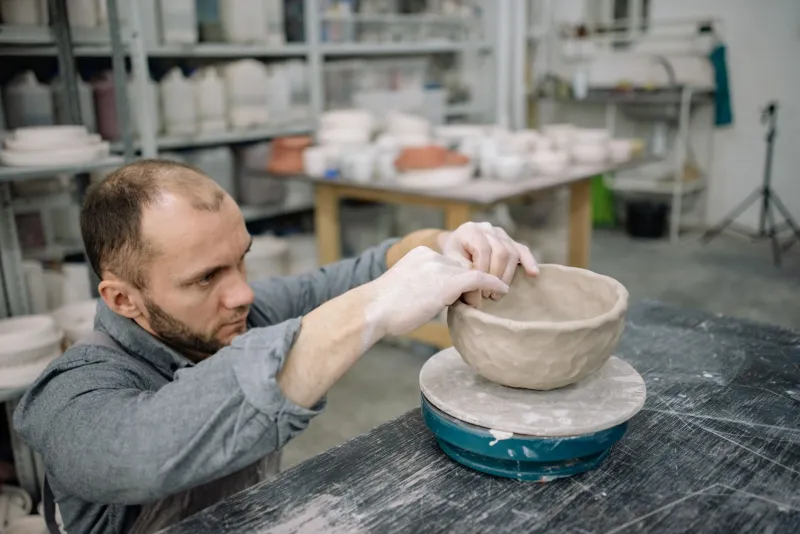
For US travelers especially, the appeal is easy to understand. We're a culture that's grown tired of sameness, of buying things that could have come from anywhere. There's something deeply satisfying about watching a potter shape a bowl from a lump of clay and then carrying that bowl home on the plane knowing exactly whose hands made it and where. Mahony's artisans offer that experience in abundance.
The Ceramics Quarter: Where the Clay Gets Serious
If there's one craft Mahony has become genuinely known for in recent years, it's ceramics. The Kiln District — a loose cluster of studios and workshops concentrated in the Ferran neighborhood, about a 15-minute walk from the central market — is the place to start. The studios here range from solo operations working out of converted garages to slightly larger shared spaces where three or four makers split overhead costs and kiln time.
Orla Devane is one name that keeps coming up when you ask locals who to visit. She's been throwing pots in Mahony for about 12 years, and her work — heavy, satisfying mugs and vases in earth tones with a distinctive matte glaze she developed herself — sells out almost every time she opens her online shop. Her studio at the back of Ferran Lane is open to visitors Thursday through Saturday, and she's genuinely happy to talk through her process. Don't be shy about asking questions; ceramicists almost universally love explaining what they do.
A few doors down, the Ferran Collective is a shared studio space housing five makers at any given time. The lineup rotates — some makers are there for months, others for a season — which means the work on display changes constantly. They host a monthly open studio evening (check their Instagram for dates) that draws a mix of locals and visitors and has a loose, social energy that feels nothing like a gallery opening.
Pricing in the Kiln District is reasonable by US standards. Expect to spend $30–80 for a handmade mug, $60–150 for larger pieces. Most makers accept card payments; a few cash-only holdouts remain.
Textile Studios and the Art of Slow Cloth
Mahony's textile makers occupy a different part of the city — primarily the Strand Quarter, closer to the water — and they tend to attract a slightly different kind of visitor. This is slow craft in the truest sense: hand-dyeing, hand-weaving, and hand-printing processes that take days or weeks to produce a single piece.
Bríd Malone's studio and shop on Strand Walk is probably the most accessible entry point for visitors unfamiliar with textile craft. She produces hand-dyed scarves, throws, and table linens using natural dyes sourced largely from local plants and a handful of imported pigments. The colors are earthy and complex — not the punchy primaries you'd expect from synthetic dye — and the pieces have a warmth and irregularity that makes them feel genuinely alive.
Bríd runs occasional half-day workshops ($65–90 per person) where visitors can try natural dyeing themselves. They book up fast, so check her website and reserve a spot before you arrive in Mahony rather than hoping to walk in. Even if you can't get a workshop slot, the studio itself is worth visiting — the dyeing vats, the drying racks hung with color-saturated cloth, the smell of the plant matter — it's a whole sensory experience.
For woven goods specifically, Tadhg & Sons — despite the name, it's currently run by a daughter, Síle Tadhg, who took over from her father — produces floor rugs and wall hangings on traditional floor looms that have been in the family for generations. The workshop is open by appointment, which sounds fussy but is actually pretty easy to arrange via their website. Watching Síle work a loom is genuinely mesmerizing, and she'll talk you through the pattern logic if you're interested.
Independent Jewelry Designers Worth Seeking Out
Mahony's jewelry scene is smaller than its ceramics or textile communities but punches well above its weight in terms of quality. Most of the interesting work is happening in studios tucked into the Upper Market Lane area, where low rents have historically attracted makers willing to do things differently.
Conal Firth works in silver and reclaimed gold, producing pieces that look architectural — clean lines, considered negative space, nothing fussy. His studio is technically a workshop first and a shop second, which means you might visit and find him deep in a commission with a torch in his hand. That's fine; he's friendly about it. Prices run from about $80 for simple rings to several hundred for more complex necklaces and bracelets.
At the other end of the aesthetic spectrum, Maeve Rourke makes jewelry that's deliberately maximalist — layered, textured, sometimes incorporating found objects or non-precious materials alongside silver and gold. She's the kind of maker who has a waiting list for commissions, which tells you something. If you want a custom piece from Maeve, reach out before your trip, not during it.
Pop-Up Markets and How to Find Them
Beyond the permanent studios, Mahony's maker community comes together regularly at pop-up markets that rotate between a handful of venues. The Mahony Makers Market runs on the first and third Saturday of each month in the Ferran Square courtyard — rain or shine, though the vibe is considerably better in good weather. It draws around 30–40 vendors and is a solid way to see a broad cross-section of the craft scene in one go.
For a more curated experience, the Strand Quarter Night Market runs monthly on Friday evenings through the warmer months and focuses specifically on higher-end craft and design work. It's a bit more selective about who participates, and the quality tends to be a step up across the board.
The best way to stay current on market dates and studio open days is to follow the Discover Mahony events calendar and check the Instagram accounts of individual makers. The community is active and communicative online, and they genuinely want visitors to find them.
A Few Tips Before You Go Shopping
Bring more cash than you think you'll need — some studios are card-only, others are cash-only, and you don't want to fall in love with a piece and not be able to buy it. Ask about shipping before you assume you have to carry everything home; many makers ship to the US and can often pack pieces more safely than you can in a suitcase. And if you're commissioning something custom, build in lead time — most artisans need at least two to four weeks, sometimes longer.
Most importantly, talk to the people making the things you're buying. That conversation — where the clay came from, why they chose this glaze, what they were thinking about when they made this specific piece — is half the value of what you're taking home.